Worried your driving licence might be suspended or disqualified, or trying to work out how to get it back? In the UK, your licence can be taken away in three main ways: totting up 12 or more penalty points within 3 years, a court disqualification for a specific offence such as drink driving, or the DVLA revoking it on medical grounds. Each route has a different process, a different minimum ban, and a different way back onto the road.
This guide walks through all three, with the exact fees and forms you’ll need, sourced directly from GOV.UK and the DVLA.
The Three Ways You Can Lose Your Driving Licence
Before getting into the detail, it helps to know which category you’re in, since the rules differ quite a lot:
- Totting up: reaching 12 or more penalty points within a rolling 3-year period.
- Court disqualification: a ban imposed for a specific offence, most commonly drink or drug driving, dangerous driving, or causing death by careless driving.
- Medical revocation: the DVLA cancelling your licence because a health condition means you no longer meet the legal driving standards.
A driving licence suspension in the UK context almost always means one of these three, rather than a single unified process, so it’s worth identifying which one applies to you before you plan your next step.
Totting Up: The 12-Point Rule
If you build up 12 or more penalty points within any 3-year period, you face automatic disqualification under what’s commonly called “totting up,” governed by the Road Traffic Offenders Act 1988. The minimum ban is 6 months for a first totting-up disqualification, rising for repeat offenders.
Points only count toward the 12-point total for 3 years from the date of the offence, though the endorsement itself can stay on your licence record for longer (commonly 4 years for offences like speeding, or 11 years for drink and drug driving). The court works out your total based on the date of the offence that pushes you over 12, not the date of your court hearing, so a later offence can still trigger a ban even if earlier points would otherwise have expired by sentencing.
Exceptional Hardship
Magistrates have discretion not to disqualify, or to reduce the ban, if losing your licence would cause “exceptional hardship” to you or others, for example, losing a job that genuinely requires driving with no realistic alternative. This is an argument you make in person at the Magistrates’ Court hearing, and everyday inconvenience alone isn’t enough. Courts do grant these more often than many drivers expect, but you’ll usually need solid evidence, and legal advice is worth getting if you’re close to 12 points.
New Drivers: The 6-Point Rule
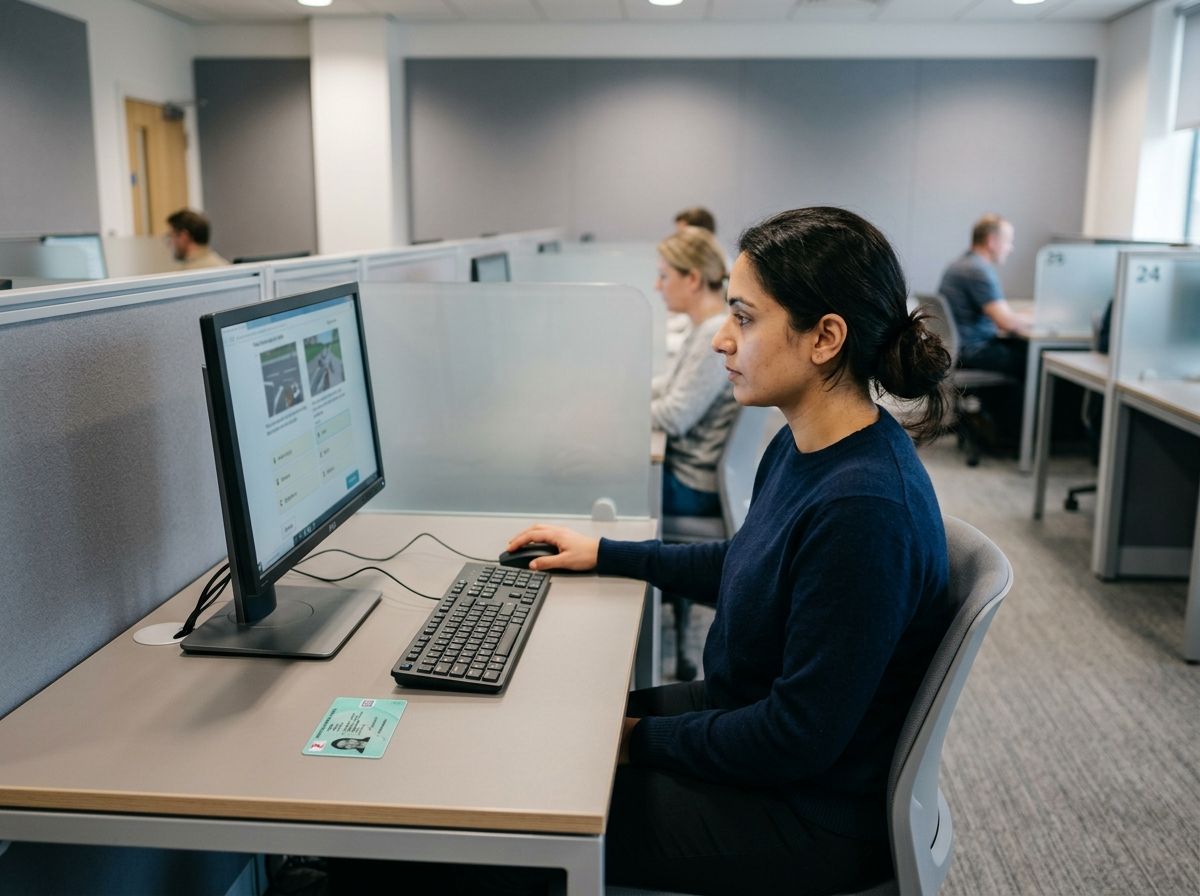
If you passed your driving test within the last 2 years, the rules are stricter. Reaching 6 or more penalty points within your first 2 years automatically revokes your licence under the New Drivers Act, and you’ll need to reapply for a provisional licence and retake both your theory and practical tests. This applies even if some of those points would later have expired for general totting-up purposes.
Court Disqualification for Drink Driving
A drink-driving conviction carries a mandatory minimum 12-month disqualification, an unlimited fine, and up to 6 months in prison for the most serious cases, according to the Sentencing Council’s guidelines. If you’re convicted twice within 10 years, the minimum ban rises to 3 years. The legal limit in England and Wales is 35 micrograms of alcohol per 100ml of breath, 80mg per 100ml of blood, or 107mg per 100ml of urine. Scotland sets a lower limit of 22 micrograms per 100ml of breath.
Courts can offer a place on an approved drink-drive rehabilitation course, which can reduce your ban by up to 25% if you complete it, though you pay the course fee yourself.
Administrative Suspension Versus a Court Ban
It’s worth clearing up a common point of confusion here. Unlike some other countries, the UK doesn’t have a separate “administrative licence suspension” that kicks in automatically at the roadside before any court process, the way some US states do. In the UK, a drink or drug driving disqualification only takes effect once a court has convicted you, even though the police can seize your licence and you may be released on bail beforehand. If you’re researching driving licence suspension using terms from another country’s system, it’s worth knowing that the UK process runs entirely through the courts and DVLA rather than any separate administrative body.
High Risk Offenders
You’ll be classed as a High Risk Offender (HRO) if any of the following apply, according to GOV.UK: your breath reading was at least 87.5 micrograms per 100ml (roughly 2.5 times the legal limit), your blood reading was 200mg or more, your urine reading was 267.5mg or more, you refused to give a sample, or you’ve been convicted of two drink-driving offences within 10 years.
High Risk Offenders can’t simply wait out the ban and get their licence back automatically. You must pass a medical examination with a DVLA-appointed doctor, which can involve blood tests, before DVLA will return your licence, and this can add weeks or months onto the end of your disqualification.
DVLA Medical Revocation
The DVLA can revoke your licence, or refuse to renew it, if a medical condition means you no longer meet the legal fitness-to-drive standards. This isn’t a punishment in the same sense as a court ban. It applies to conditions including epilepsy, certain heart conditions, some visual impairments, and sleep disorders that cause sudden loss of consciousness, among others.
You have a legal duty to tell DVLA if you develop a condition that could affect your driving, and failing to do so can itself lead to a fine of up to £1,000 if you’re involved in an accident as a result. If DVLA does revoke your licence on medical grounds, you can reapply once your doctor confirms you meet the medical standards again, though DVLA may ask for evidence of your fitness to drive before restoring it.
What It Costs to Get Your Licence Back
The fee depends entirely on why your licence was taken away, according to GOV.UK’s driving licence fees page. All reapplications for a licence after disqualification are made by post, not online:
- Disqualified for any reason except drink driving: £65
- Disqualified for drink driving and you need a DVLA medical exam (High Risk Offenders): £90
- Disqualified for drink driving and no medical exam is needed: £65
- Licence revoked under the New Drivers Act: £50
- Licence revoked for not handing it over to DVLA or the court: free
Prices can change, so it’s worth checking the current figures on GOV.UK before you send off your form.
How to Reapply, Step by Step
- Check when your disqualification ends. You can check your driving record online at GOV.UK to confirm the exact date.
- Wait for your DVLA renewal form. For drink or drug driving bans, DVLA sends form D27 56 days before your disqualification ends, or 90 days before if you’re a High Risk Offender.
- If you don’t receive it, get form D1 yourself from a Post Office that offers DVLA services, or via GOV.UK. Use D1 for a car or motorcycle licence, D2 for a lorry or bus licence.
- Complete the form and enclose payment. Cheques and postal orders are made payable to DVLA. Applications after disqualification can’t be submitted online.
- Book and attend a medical exam if you’re a High Risk Offender, since DVLA won’t return your licence until this is passed.
- Send your form and photo to the DVLA address on the form, and keep proof of postage, since delays are common around busy periods.
- Don’t drive until your disqualification period has actually ended, even once you’ve sent off your paperwork, since driving while disqualified is a separate criminal offence.
FAQ
How many points before you lose your licence in the UK?
You automatically face disqualification once you reach 12 or more penalty points within a rolling 3-year period, under what’s known as totting up. New drivers within their first 2 years lose their licence at just 6 points.
How long does a totting up ban last?
The minimum ban for a first totting-up disqualification is 6 months. It increases for drivers who’ve already had a previous disqualification within a certain period, and Magistrates can extend it further depending on the circumstances.
Can you avoid a driving ban with 12 points?
Yes, in some cases, if you successfully argue “exceptional hardship” at your Magistrates’ Court hearing, such as losing employment that genuinely depends on driving. It’s not guaranteed, and everyday inconvenience alone won’t succeed.
How much does it cost to get your licence back after a ban?
It costs £65 for most disqualifications, £90 if you’re a High Risk Offender needing a DVLA medical exam, and £50 if your licence was revoked under the New Drivers Act. Getting a licence back after failing to hand it to DVLA or the court is free.
What is a High Risk Offender in UK drink-driving law?
You’re classed as a High Risk Offender if your breath, blood or urine alcohol reading was around 2.5 times the legal limit, you refused to give a sample, or you’ve had two drink-driving convictions within 10 years. High Risk Offenders must pass a DVLA medical exam before their licence is returned.
Does the UK have an administrative licence suspension like the US?
No, the UK doesn’t operate a separate administrative suspension process that applies automatically before a court conviction. Driving disqualifications in the UK are imposed by the courts, and the DVLA handles reapplication and any required medical checks afterward.
Can DVLA take your licence away for medical reasons?
Yes, DVLA can revoke or refuse to renew your licence if a medical condition means you no longer meet the legal fitness-to-drive standards, covering conditions such as epilepsy, certain heart conditions and some visual impairments. You’re legally required to inform DVLA of any relevant new diagnosis.
Do you need to retake your driving test after a ban?
Not usually for a standard totting-up or drink-driving ban, unless the court specifically orders an extended retest, which is more common for dangerous driving convictions. New drivers who lose their licence within 2 years of passing their test must retake both theory and practical tests regardless.