A light roast coffee is a bean that’s pulled out of the roaster early, before it darkens or develops an oily surface, which leaves it tasting brighter, more acidic, and closer to the flavour of where it was grown. Roasters typically stop light roasts at an internal bean temperature of around 195°C to 205°C, just after what’s known as “first crack”, the point where the beans audibly pop as moisture escapes.
If you’ve had a coffee that tasted fruity, floral or almost tea-like rather than smoky or chocolatey, that was very likely a light roast. This guide covers what actually happens during roasting, how light roast compares to medium and dark, the caffeine question everyone asks, and which UK beans are worth trying.
What Does Light Roast Actually Mean?
Coffee starts life as a pale green, hard bean. Roasting is what turns it brown and brings out the flavour, and how far you take that process decides everything about the final cup.
A light roast coffee is removed from the roaster shortly after first crack, typically within 8 to 10 minutes of a batch that might otherwise run for 12 to 15 minutes for a darker roast. Because the beans spend less time exposed to heat, they hold onto more of their moisture, natural sugars and acidity. That’s why light roast beans look pale brown, dry to the touch, and noticeably denser than a dark roast bean of the same size.
Medium roasts go further, usually finishing somewhere between first crack and the start of “second crack”. Dark roasts push past second crack entirely, which is what caramelises the sugars and forces oils to the bean’s surface, giving dark roast its glossy look and heavier, smokier taste.
What Does Light Roast Coffee Taste Like?
Expect brightness rather than boldness. Common tasting notes on light roast bags include citrus, berries, florals and stone fruit, sometimes described as tea-like in body.
This isn’t the roaster adding flavouring. It’s simply that less heat means less of the bean’s original character gets burned away, so the coffee tastes more like the soil, altitude and processing method of the farm it came from. A washed Ethiopian light roast, for example, often tastes noticeably different from a washed Colombian one, whereas two dark roasts from the same origins can taste far more similar to each other.
The trade off is that light roast can taste sharp or sour if it’s brewed badly, since there’s less caramelisation to soften rough edges. Getting your grind size, water temperature and brew time right matters more with light roast than with a forgiving dark roast blend.
Does Light Roast Coffee Have More Caffeine?
This is the most searched myth around light roast, and the honest answer is: barely, and not in the way people assume. Caffeine is broken down slightly during roasting, so a bean that’s roasted for a shorter time technically retains marginally more caffeine by weight than the same bean roasted dark.
However, roasting also makes beans lose moisture and shrink, so dark roast beans are lighter and less dense per scoop. If you measure coffee by volume (a standard scoop or tablespoon) rather than by weight, you’ll often fit more dark roast beans into that scoop, which can roughly cancel out the caffeine difference. In practice, the type of bean (Arabica versus Robusta) and how much coffee you use per cup make a far bigger difference to your caffeine hit than roast level does.
Light Roast vs Medium Roast vs Dark Roast
Here’s a quick side by side to settle most of the confusion in one go:
- Light roast: pale brown, dry surface, roasted to roughly 195°C to 205°C, flavours lean citrus, floral and fruity, best suited to pour-over, AeroPress and drip filter.
- Medium roast: mid brown, still fairly dry, taken slightly past first crack, flavours are balanced with some sweetness, works well across most brewing methods including cafetiere.
- Dark roast: deep brown to near black, visibly oily, roasted well past second crack, flavours are bold, smoky and chocolatey, suited to moka pot and traditional Italian style espresso.
None of these is objectively better. It genuinely comes down to what you enjoy drinking and how you brew it.
How to Brew Light Roast Coffee Well
Light roast rewards a bit more care than a supermarket dark roast blend, but it isn’t difficult once you know the basics.
Use a Finer Grind and Longer Contact Time
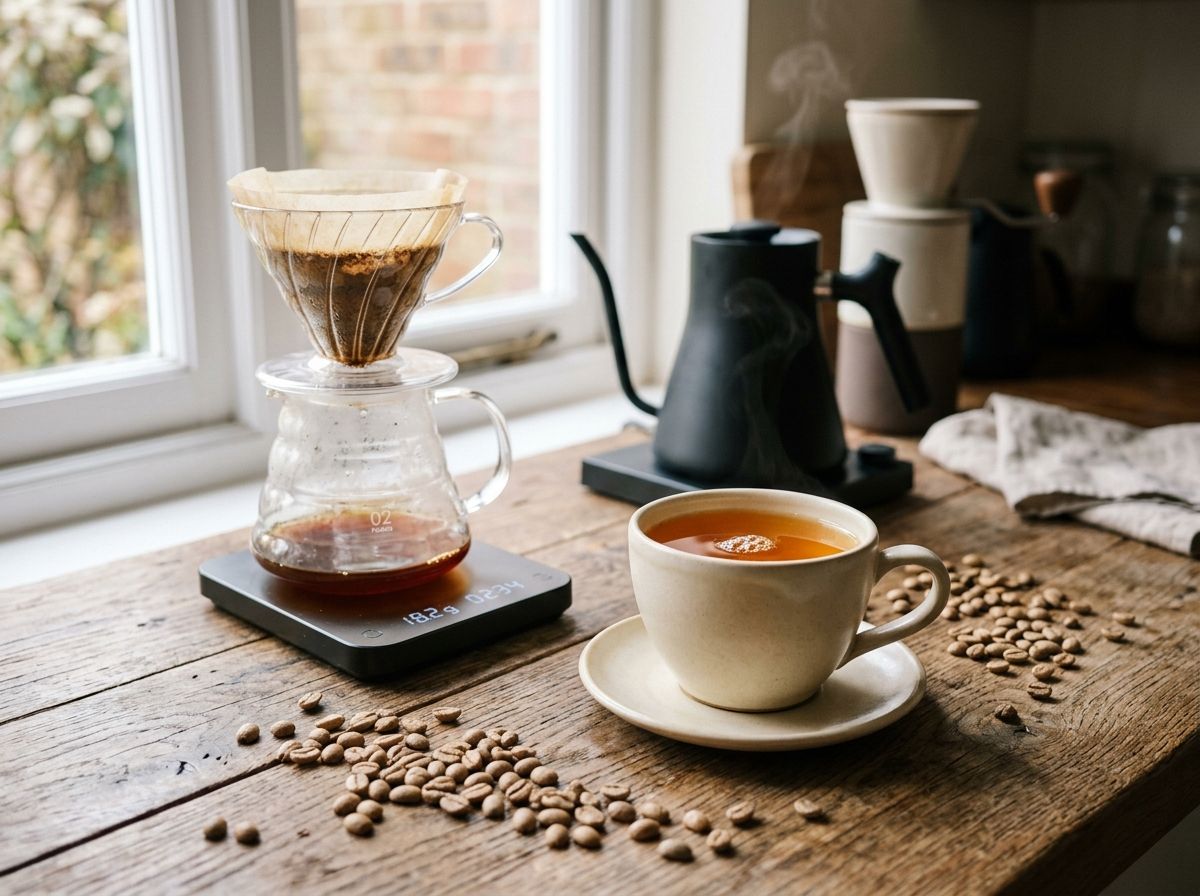
Because light roast beans are denser, they can need a slightly finer grind and a touch longer brew time to extract properly, otherwise the cup can taste thin or sour. A pour-over or AeroPress typically suits light roast better than a French press.
Water Temperature Matters More Than You’d Think
Aim for water just off the boil, around 94°C to 96°C. Cooler water tends to underextract light roast, leaving it tasting weak and acidic rather than bright and sweet.
Weigh Your Coffee Rather Than Scooping
A standard ratio is around 60g of coffee per litre of water, adjusted to taste. Because light roast beans are denser, a level scoop can actually give you more coffee by weight than the same scoop of dark roast, so a set of kitchen scales sorts this out properly.
Best Light Roast Coffee Beans to Try in the UK
UK speciality roasters have leaned heavily into light roast over the past few years, and prices vary more than you’d expect for what’s ultimately a 250g bag of beans. A few worth knowing about:
Pact Coffee runs a rotating light roast selection sourced through direct trade with individual farmers, with 250g bags priced from around £7.95 up to £10.95, dropping to roughly £6.36 with a subscription discount. Rave Coffee offers both single origin and blend options across roast levels, with pricing around £24.50 per kilogram for some of its more popular beans. Independent roasters like Union Hand-Roasted and Square Mile also produce well regarded light and medium-light roasts, typically in the £9 to £15 range per 250g bag.
Prices and stock change often with harvest seasons, so it’s worth checking each roaster’s own site before ordering rather than relying on older reviews.
FAQs
What is a light roast coffee exactly?
A light roast coffee is a bean roasted for a shorter time and at a lower temperature than medium or dark roast, usually stopped just after first crack at around 195°C to 205°C, which preserves more acidity and origin flavour.
Is light roast coffee stronger than dark roast?
Not in caffeine terms, and “strength” usually refers to flavour intensity rather than caffeine content. Light roast tends to taste brighter and more acidic rather than stronger, while dark roast tastes bolder and more bitter, which people often mistake for being “stronger”.
Does light roast coffee have less caffeine than dark roast?
By weight, light roast typically has marginally more caffeine, since less is broken down during the shorter roasting time. By volume or scoop, the difference tends to even out because dark roast beans are lighter and less dense.
Is light roast coffee more acidic?
Yes, light roast is generally more acidic than medium or dark roast, though “acidic” here means a bright, lively taste similar to green apple or citrus rather than sourness. If brewed poorly, that acidity can tip into an unpleasant sourness.
What’s the best way to brew light roast coffee at home?
Pour-over, AeroPress or a drip filter machine tend to suit light roast best, using water around 94°C to 96°C and a finer grind than you’d use for dark roast. A cafetiere can work too, but it’s less forgiving of light roast’s brighter acidity.
Is light roast coffee healthier than dark roast?
There’s no strong evidence that one roast level is meaningfully healthier than the other for most people. Some studies suggest light roast retains marginally more antioxidants, though the difference is unlikely to matter much within a normal diet.
Why does light roast coffee look dry and dark roast look oily?
Roasting draws natural oils to the surface of the bean over time, and this only really happens once beans pass second crack. Light roast is removed before that stage, so the beans stay dry and matte rather than shiny.
Can you use light roast coffee for espresso?
You can, though it’s more demanding than using a medium or dark roast, since light roast needs a finer grind, more pressure and careful dialling in to avoid a sour, underextracted shot. Some UK speciality cafes do serve light roast espresso, but it’s more common in filter brewing.