If you’ve come across the word “steakhus” and wondered what it means, here’s the short answer: it’s simply the Danish and Norwegian spelling of “steakhouse”, used the same way across Scandinavia and parts of northern Germany to describe a restaurant specialising in steak. You’ll see it written as a single word, “steakhus”, rather than the two-word English “steak house”, and it’s the name used by well-known chains and independent grill restaurants across Denmark, Norway and Sweden.
This guide explains where the term comes from, what’s happened to one of the most famous “bøfhus” chains recently, and then turns practical with a UK-focused guide to finding a good steakhouse near you, what to expect on the menu, and common mistakes to avoid when ordering.
What Does “Steakhus” Actually Mean?
“Steakhus” is a direct compound of “steak” and the Scandinavian word for house, “hus”, giving you a literal “steak house”. It’s the standard spelling used in Danish and Norwegian, and you’ll also spot it used by some restaurants in northern Germany, close to the Danish border, where cross-border dining culture has picked up the same naming style.
In Danish specifically, you’ll more often see the related term “bøfhus”, using “bøf” (beef or steak) rather than the English loanword “steak”, though both terms describe the same kind of restaurant. Either way, if you’re searching “steakhus” while researching a trip to Denmark, Norway, Germany or elsewhere in northern Europe, you’re looking for a steak restaurant, not something unfamiliar.
Jensens Bøfhus: What Happened to Denmark’s Best-Known Steakhus Chain
If your search for “steakhus” was prompted by hearing about a well-known Danish chain closing down, you’re not imagining it. Jensens Bøfhus, Denmark’s best-known steakhouse chain since 1984, announced in November 2025 that its remaining restaurants would be sold to competitor Bone’s and converted to a different brand, according to Danish broadcaster DR.
At the time of the announcement the chain had 15 restaurants left in Denmark, having already closed four in Aarhus, Randers, Viborg and Holstebro the previous September due to a loss of more than 37 million Danish kroner. Bone’s expects most conversions to be completed by summer 2026, with the final Jensens Bøfhus restaurant expected to close in early 2027, so if you’re planning a trip to Denmark, don’t assume the brand you remember will still be trading under that name much longer.
How “Steakhus” Compares to a UK Steakhouse
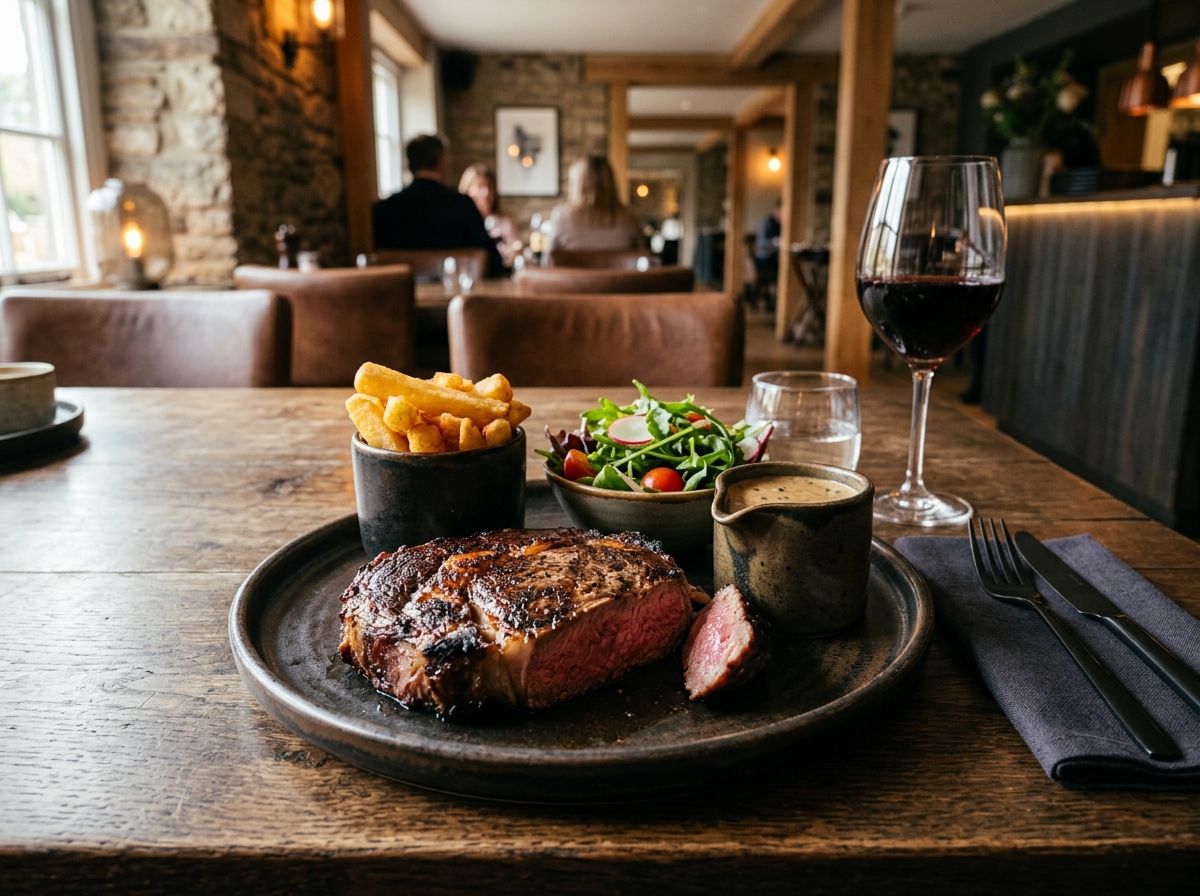
The core idea is identical: a restaurant built around grilled or pan-seared beef, usually with a fairly focused menu of cuts, a handful of sauces, and simple sides like chips or a salad bar. Scandinavian steakhus restaurants, including chains like Jensens Bøfhus and Bone’s, are often known for value-focused set menus with unlimited soft-serve ice cream for dessert, a detail that stands out compared to most UK steakhouse menus.
UK steakhouses tend to lean more toward individually priced cuts and a stronger focus on the provenance of the meat, such as breed, ageing method and farm origin, particularly at the higher end. If you’re used to a Scandinavian steakhus and try a UK steakhouse for the first time, expect smaller, more precisely cooked portions and a bigger emphasis on how long the beef has been dry-aged rather than an all-you-can-eat approach to sides.
How to Find a Good Steakhouse in the UK
Start with your city’s known steakhouse groups
Chains such as Miller & Carter, Hawksmoor, Flat Iron and Marco Pierre White Steakhouse operate across multiple UK towns and cities, each with a slightly different focus, from Hawksmoor’s dry-aged British beef to Flat Iron’s simpler, lower-priced single-cut menu. Checking a chain’s own site for your nearest branch is usually faster and more current than relying on general search results, since opening hours and locations do change.
Check independent local steakhouses too
Plenty of UK towns have a well-regarded independent steakhouse or grill restaurant that won’t show up in a national chain search, so it’s worth checking review sites and asking locally as well. Look specifically for mentions of dry-ageing, named beef breeds (such as Aberdeen Angus or Hereford), or a Josper charcoal grill, since these are good signals of a kitchen that takes its steak seriously.
Look for recognised rankings if you want a special occasion venue
The World’s Best Steak Restaurants list, published annually, has ranked several UK venues among the best in the world, including Cut at 45 Park Lane in Mayfair, which reached the top ten globally, alongside Dorian, Aragawa, Beast and Goodman in London, Pasture in Cardiff and Porter and Rye in Glasgow. These rankings shift year to year, so check the current list before booking if a global ranking matters to you.
What to Expect on a UK Steakhouse Menu
Most UK steakhouses offer a small core range of cuts, typically sirloin, ribeye, fillet and rump, priced individually and often by weight rather than as a single set price. Expect to pay anywhere from around £20 for a rump steak at a mid-range chain up to £50 or more for a premium dry-aged ribeye or fillet at a higher-end independent restaurant, though exact pricing varies a great deal by venue and city, so check the specific restaurant’s current menu before booking.
Sauces (peppercorn, béarnaise, blue cheese) and sides (chips, onion rings, a simple side salad) are usually charged separately from the steak itself, known as “a la carte” pricing, which catches out some first-time diners expecting sides included as standard.
Common Mistakes to Avoid
Not specifying your preferred doneness clearly. “Medium” means different things in different kitchens, so it helps to describe what you actually want (warm pink centre, mostly pink, just a hint of pink) rather than relying on the word alone if you’re unsure the kitchen shares your definition.
Assuming sides are included. Many UK steakhouses price chips, sauces and vegetables separately from the steak, so check the menu carefully before you order if you’re working to a budget.
Booking without checking for a service charge. Most UK restaurants add a discretionary service charge of around 12.5% to the bill, and it’s worth knowing this is usually optional and can be removed if service was genuinely poor, though it’s good manners to only do this when there’s a real reason.
Overlooking dry-aged options because they cost more. Dry-aged beef typically costs more due to the moisture loss and specialist storage involved, but it delivers a noticeably deeper flavour, so it’s often worth the extra cost for a special occasion rather than defaulting to the cheapest cut on the menu.
FAQs
What does “steakhus” mean in English?
“Steakhus” is the Danish and Norwegian spelling of “steakhouse”, referring to a restaurant that specialises in steak. It’s written as one word rather than the English two-word “steak house”, though both describe the same type of restaurant.
Is “steakhus” the same as “bøfhus”?
Yes, both terms describe a steak restaurant, though “bøfhus” is the more traditional Danish term using the Danish word for beef, “bøf”, while “steakhus” uses the English loanword “steak” instead. You’ll see both used interchangeably by Danish restaurants.
Is Jensens Bøfhus still open?
As of the most recent reporting, some Jensens Bøfhus restaurants in Denmark are still trading under that name while being converted to competitor Bone’s, with the process expected to finish around summer 2026 and the final Jensens-branded restaurant expected to close in early 2027. Always check the specific restaurant’s current status before travelling, since this is an active, ongoing wind-down.
What’s the difference between a steakhus and a UK steakhouse?
The core concept is the same, a restaurant focused on grilled steak, but Scandinavian steakhus chains often lean toward value set menus with unlimited soft-serve ice cream, while UK steakhouses tend to price cuts individually with a stronger focus on breed and ageing method. Expect a different overall dining style even though the food itself is broadly similar.
How much does a steak cost at a UK steakhouse?
Prices vary widely, from around £20 for a rump steak at a mid-range chain to £50 or more for a premium dry-aged cut at a higher-end independent restaurant. Sides and sauces are usually charged separately, so check the full menu rather than just the steak price when budgeting.
What is dry-aged beef and is it worth the extra cost?
Dry-aged beef is stored in controlled, cool, humidity-managed conditions for several weeks, which concentrates the flavour and tenderises the meat as moisture evaporates. It typically costs more due to the storage time and moisture loss involved, but many diners find the deeper flavour worth paying for, particularly for special occasions.
Do UK steakhouses automatically add a service charge?
Many UK restaurants, including most steakhouses, add a discretionary service charge of around 12.5% to the bill automatically. This is usually optional and can be asked to be removed if you’re unhappy with the service, though it’s considered polite to leave it in place if your experience was reasonable.