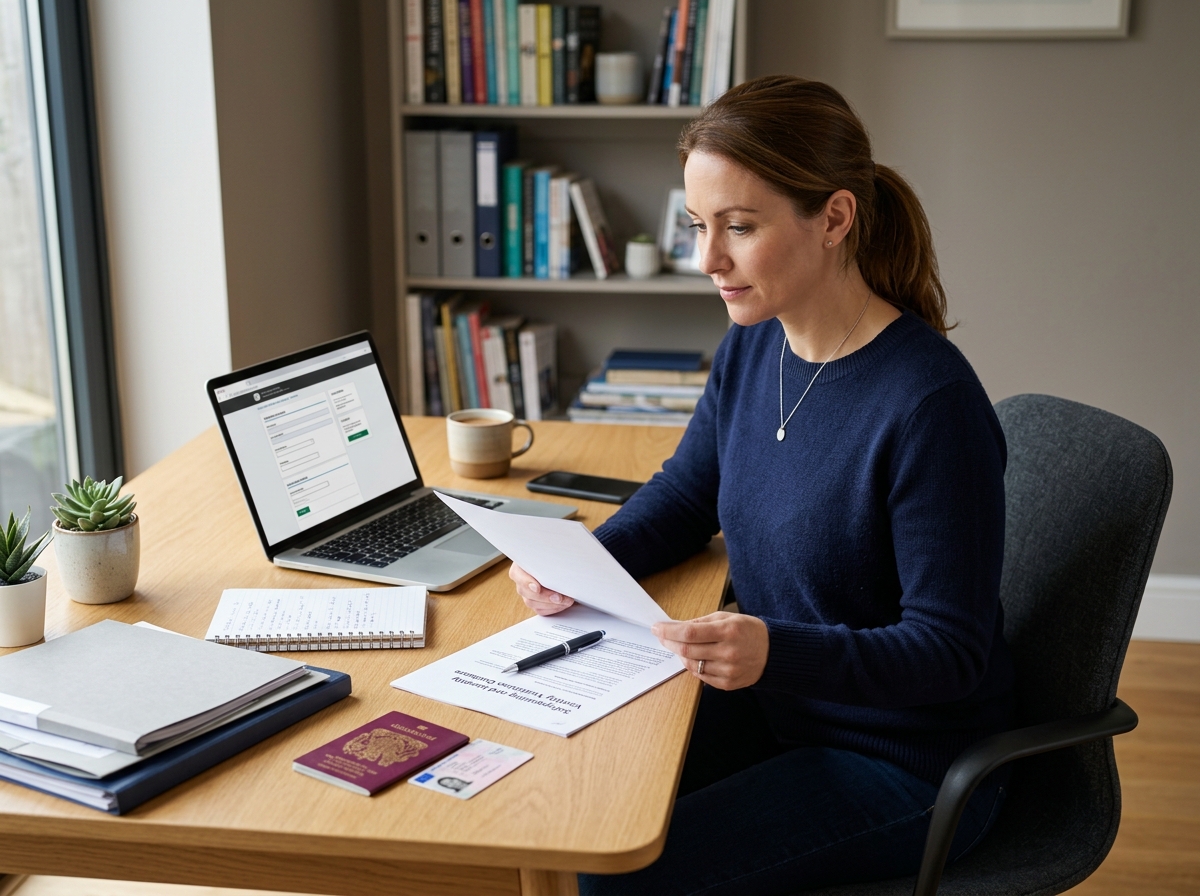
If you’re asking “am I on the electoral roll,” the direct answer is that there’s no national website where you can type in your name and find out instantly. In England, Scotland and Wales, you have to contact your local Electoral Registration Office directly, either by phone, email or their online contact form, and they’ll confirm your registration status at your current address. Northern Ireland is the one exception, with its own free online “Am I Registered” checker.
Below is exactly how to find your local office, what the annual canvass is and why it isn’t the same as being registered, the actual registration deadlines, and why this affects far more than just your right to vote.
Am I on the Electoral Roll? The Direct Answer
There genuinely isn’t a single online electoral roll checker for Great Britain, according to the Electoral Commission, which states plainly that it doesn’t hold the register itself and there’s no online version. Each of the roughly 380 local authorities in England, Scotland and Wales holds and manages its own version of the register for its area, so checking means contacting that specific office, not a national database.
This surprises a lot of people, since so much else in UK admin has moved online. Registering to vote is genuinely quick and digital, at gov.uk/register-to-vote, but confirming an existing registration still runs through your local council.
Check Electoral Register Online Free: How to Find Your Local Office
The closest thing to a “check electoral register online free” tool is GOV.UK’s own lookup, which doesn’t show your registration status directly but instead points you to the right office to ask. Here’s how to use it:
- Go to gov.uk and search for “electoral registration office” or find your local council’s elections page directly
- Enter your postcode when prompted
- You’ll be given the name, phone number, and email address for your local Electoral Registration Office
- Contact them by phone or email, and they’ll confirm whether your name appears on the register at your address
Most offices can tell you over the phone within minutes, since they’re checking a database rather than a physical list. Some councils also let you check in person by viewing the register at a local library or council office, though you’ll usually need to book an appointment for that route rather than just turning up.
How to Check If You Are Registered to Vote in Northern Ireland
Northern Ireland runs its registration system separately through the Electoral Office for Northern Ireland (EONI), and it’s the one part of the UK that does offer a genuine free online checker. The “Am I Registered” service on eoni.org.uk lets you search using your name and address, and it will confirm your status directly without needing to phone anyone.
If you’ve moved within Northern Ireland recently, register again through EONI’s own system rather than the GOV.UK service used in the rest of the UK, since the two systems are administered separately.
The Annual Canvass: Why a Letter Doesn’t Mean You’re Registered
Every local authority in England, Scotland and Wales has to run an annual canvass, a legal requirement to check who’s actually living at each address on their books. This typically runs from around July through November, with a revised register published on 1 December each year, according to multiple council elections pages.
The confusing part is what the canvass letter or email actually does. Responding to it confirms who’s currently living at your household, and flags anyone who should be added or removed, but it doesn’t register a new person automatically. If someone new needs adding, the council sends a separate registration form or invitation, and that separate step is what actually gets a person onto the register, not the canvass response itself.
So if you’ve filled in a canvass form in the past and assumed that means you’re registered, it’s worth double-checking directly with your local office, particularly if you’ve moved since then.
Rolling Registration vs Election Deadlines
Outside of an election, the register updates on a rolling monthly basis. Register any time, and depending on when your application lands, you’ll typically appear on the register on the first working day of the following month, or the month after that, according to council guidance from authorities including the Isles of Scilly Council.
Register to vote UK deadline during an actual election is much tighter: you must be registered by 11.59pm, 12 working days before polling day, according to the Electoral Commission. This applies across Great Britain for general, local and other elections, so if a vote is coming up and you’re not certain you’re registered, don’t wait for the rolling monthly update, since it might land too late.
Why the Electoral Roll Affects Your Credit Score
This is the part most people searching this query don’t expect. Credit reference agencies use the electoral register to help confirm your name and address, and if you’re not on it, lenders can struggle to verify your identity properly. According to money.co.uk, this can mean your application for a loan, mortgage or credit card is delayed, or even turned down, purely because your identity couldn’t be confirmed against public records, not because of your actual credit history.
There’s a separate, “open register” version too, which is available for anyone to buy and is used commercially for things like identity checks and marketing lists. You can opt out of the open register specifically while remaining on the main electoral register used for voting and credit checks, so opting out of the open version doesn’t affect your ability to vote or your credit file.
Students and Recent Movers: What Changes for You
Two groups are consistently the least likely to be registered, according to Electoral Commission research: students and people who’ve recently moved house.
Students can register at both their term-time address and their home address if they genuinely live at both during the year, though you can only vote once in the same election, so choose carefully if both addresses fall within different constituencies for a particular vote. Universities sometimes bulk-register students in halls, but this isn’t guaranteed everywhere, so check rather than assume you’ve been automatically added.
Recent movers need to register again at their new address every time they move, since registration is tied to a specific address, not to you as a person indefinitely. Your old registration doesn’t transfer or update itself, so if you’ve moved in the last few months and haven’t re-registered, treat that as the most likely reason you’re not currently showing up when you check.
FAQs
How do I check if I’m on the electoral roll?
Contact your local Electoral Registration Office directly by phone or email, since there’s no national online checker for England, Scotland or Wales. Find your local office by searching your postcode on GOV.UK, which points you to the right contact details rather than showing your status itself.
Is there a free online electoral roll checker?
Not for England, Scotland or Wales, no, though Northern Ireland has its own free “Am I Registered” online service through the Electoral Office for Northern Ireland. Everywhere else in the UK, you’ll need to contact your local council’s electoral services team directly.
What is the deadline to register to vote in the UK?
Outside of an election, registration is rolling and updates roughly monthly. During an actual election, you must be registered by 11.59pm, 12 working days before polling day, according to the Electoral Commission, so register well ahead if a vote is coming up.
Does responding to the annual canvass mean I’m registered?
Not automatically. The annual canvass confirms who’s living at an address, but if someone new needs adding to the register, a separate registration step is required, either online at gov.uk/register-to-vote or via a form the council sends. Check directly with your council if you’re relying on an old canvass response.
Does being on the electoral roll affect my credit score?
Yes, indirectly. Credit reference agencies use the register to help verify your identity and address, so not being registered can mean a loan, mortgage or credit card application is delayed or refused, even if your actual credit history is fine.
Can students register at two addresses?
Yes, students can register at both their term-time and home addresses if they genuinely live at both, but you can only vote once in any single election, so pick whichever address is relevant for that particular vote.
Do I need to re-register every time I move house?
Yes, registration is tied to a specific address, so moving house means registering again at your new one. Your old registration doesn’t carry over automatically, even if you’ve lived at your previous address for years.
What’s the difference between the electoral register and the open register?
The electoral register is the full list used for voting, jury service and credit checks, while the open register is a separate, purchasable version used commercially for things like marketing. You can opt out of the open register without affecting your right to vote or your standing on the main register.