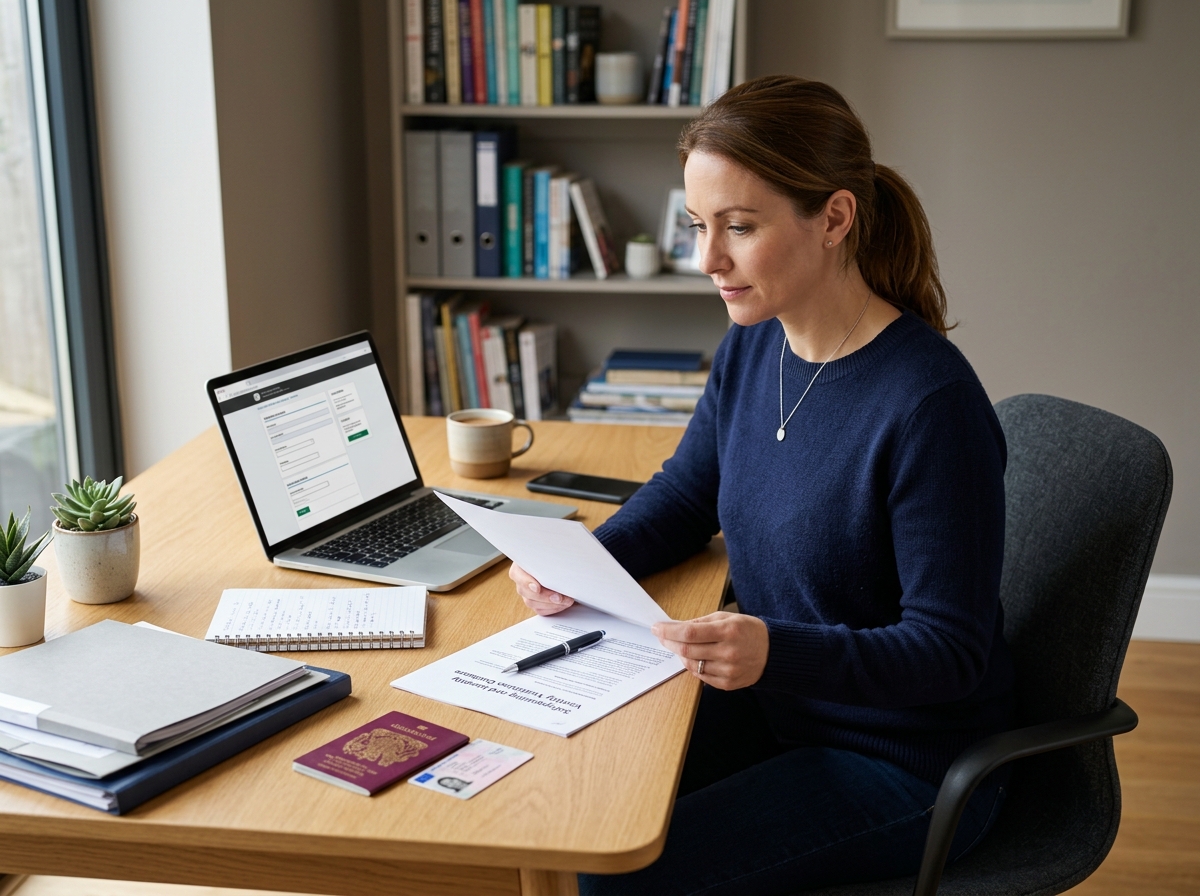
If you’ve read that a self-employed person can’t get their own Enhanced DBS check, that used to be true, but it changed on 21 January 2026. Under a legislative amendment to the Rehabilitation of Offenders Act 1974 (Exceptions) Order 1975, self-employed workers and personal employees who are paid for their role can now apply for an Enhanced, or Enhanced with Barred List, DBS check themselves, providing their work meets the eligibility test. The catch is that you still can’t apply directly to the DBS; you have to go through a registered DBS umbrella body, which countersigns the application on your behalf.
This guide covers exactly how that route works, who’s eligible, what a Basic check covers instead if you don’t qualify, and how tutors, childminders and care workers commonly handle it in practice.
Can self-employed people get an enhanced DBS check?
Yes, since 21 January 2026, but not automatically and not by applying directly. For years, only an organisation, such as an employer, agency, or regulatory body, could sponsor an Enhanced DBS application, because the system was built around an organisation making the eligibility decision. That left self-employed tutors, personal carers, and nannies hired directly by families stuck with a Basic check that didn’t show anywhere near enough to reassure a client.
The change removes that employment-only barrier, but it doesn’t remove the eligibility test itself. You still need to be working in what’s legally defined as “regulated activity,” meaning regular, unsupervised contact with children or vulnerable adults, before you qualify for the Enhanced level.
Enhanced DBS eligibility for the self-employed: what actually qualifies
Eligibility depends on the nature of your work, not simply on being self-employed. According to GOV.UK’s updated guidance, the new route applies to self-employed individuals and personal employees who are paid to work in regulated activity with children or vulnerable adults.
In practice, this typically covers:
- Private tutors who teach children directly and unsupervised, whether at home, online, or in hired venues.
- Nannies and personal carers hired directly by a family rather than through an agency.
- Personal assistants and support workers paid through direct payments or a personal health budget.
- Sports coaches and activity instructors who work alone with children on a regular basis.
If you’re unsure whether your specific role clears the bar, GOV.UK publishes an eligibility guide that walks through the legal definitions of regulated activity, and it’s worth checking that before you apply, since eligibility rules themselves haven’t changed, only the route to access them has.
How to get a DBS check without an employer
This is the practical bit most guides skip. Here’s the process as it stands.
- Find a registered DBS umbrella body. GOV.UK maintains a “find an umbrella body” tool, and providers like uCheck, CBS and Care Check are among those offering this service to individuals. You cannot apply straight to the DBS yourself.
- The umbrella body confirms your eligibility. They’ll review your role against the legal definition of regulated activity before accepting your application, since not every self-employed role qualifies.
- You complete identity verification. This is usually done digitally, often requiring a valid biometric passport, and follows the same standard as any other DBS applicant.
- The umbrella body countersigns and submits your application to the DBS on your behalf, acting as the required sponsoring organisation.
- Your certificate is issued to you directly. Results, including barred list information, go to the applicant only; they aren’t shared automatically with any client or third party.
What it costs
The statutory DBS fee is the same regardless of who applies: £49.50 for an Enhanced check, the standard rate since fees rose in December 2024. On top of that, umbrella bodies typically charge their own administration fee, which varies by provider, so it’s worth comparing a couple before committing. Prices do shift over time, so check the current figure with your chosen umbrella body before applying.
What does a Basic DBS check cover for the self-employed, and is it enough?
If your work doesn’t meet the eligibility test for an Enhanced check, or you simply need something lighter, you can still apply for a Basic DBS check directly through GOV.UK yourself, no umbrella body required.
A Basic check costs £21.50 and shows only unspent convictions and conditional cautions. It doesn’t show spent convictions, cautions, local police intelligence, or, crucially, whether you appear on the Children’s or Adults’ Barred List.
For most client-facing self-employed work involving regular contact with children or vulnerable adults, a Basic check on its own won’t satisfy what a parent, school, or regulatory body expects. It’s a reasonable starting point for lower-risk roles, but if your work genuinely falls into regulated activity, it’s worth pursuing the Enhanced route now that it’s available, rather than relying on a Basic check that doesn’t cover the ground clients are actually asking about.
The DBS Update Service: keeping your certificate current
Once you hold a Standard or Enhanced certificate, the DBS Update Service lets you carry it between clients rather than reapplying every time you take on new work. It costs £16 a year, paid directly to the DBS, and you must join within 30 days of the date printed on your certificate; miss that window and you’ll need a fresh application to get back on the service.
For self-employed workers juggling multiple clients, this is genuinely useful. Instead of a new client paying for and waiting on a new check, they can look up your certificate status online in seconds, seeing either confirmation that it’s still current or a flag that something’s changed. You’ll want to mention this to clients directly, since many parents and families simply aren’t aware they can verify a certificate this way rather than asking for a brand new one.
DBS check for sole traders: how tutors, childminders and carers commonly handle it
Different self-employed groups tend to approach this slightly differently, and it’s worth knowing where you sit.
Private tutors working directly with children, without going through an agency, are squarely the group this change was designed for. Most tutoring platforms and increasingly many parents now expect an Enhanced check with Children’s Barred List information as standard, and many professional indemnity or public liability insurers for tutors now ask for evidence of a current certificate before they’ll issue cover.
Ofsted-registered childminders are a slightly different case. If you’re registering as a childminder with Ofsted, your DBS check is obtained as part of that registration process directly through Ofsted rather than through a separate umbrella body route, and Ofsted only accepts certificates issued within the past three months. Everyone over 16 who lives in or regularly visits the childminder’s home also needs their own Enhanced check.
Self-employed carers and personal assistants, particularly those working under direct payments or a personal health budget, are treated as personal employees under the new rules and can now access the same Enhanced route through an umbrella body, closing a gap that had existed for a long time for anyone hired directly by a family rather than an agency.
FAQs
Can self-employed people get an enhanced DBS check?
Yes, since 21 January 2026, self-employed individuals and personal employees who are paid for regulated work with children or vulnerable adults can apply for an Enhanced DBS check. Applications must go through a registered DBS umbrella body rather than directly to the DBS.
How do I get a DBS check if I’m self-employed with no employer?
You apply through a registered DBS umbrella body, which acts as the sponsoring organisation the system requires. The umbrella body confirms your role is eligible, handles identity verification, and submits the application to the DBS on your behalf, with the certificate then issued directly to you.
What’s the difference between a Basic and Enhanced DBS check for the self-employed?
A Basic check, which you can apply for yourself directly through GOV.UK, only shows unspent convictions and costs £21.50. An Enhanced check, now available to eligible self-employed workers via an umbrella body, additionally shows spent convictions, relevant police information, and barred list checks, for a statutory fee of £49.50 plus the umbrella body’s admin charge.
Do I need an enhanced DBS check as a private tutor?
If you regularly work alone with children, you likely fall under the legal definition of regulated activity and are eligible for an Enhanced check. It’s not a blanket legal requirement for all tutors, but most parents, tutoring platforms and insurers now expect one as standard practice.
Can a childminder use the new self-employed DBS route?
Not usually. If you’re registering as a childminder with Ofsted, your DBS check is arranged as part of that registration process directly through Ofsted, rather than through a separate umbrella body application under the new self-employed route.
How much does the DBS Update Service cost, and do I need it?
The Update Service costs £16 a year and lets you carry one certificate across multiple clients instead of reapplying each time. It’s optional but genuinely useful for self-employed workers with several clients, since it lets a new client check your certificate’s status online instantly rather than waiting for a fresh application.
Who counts as a personal employee for DBS purposes?
A personal employee is someone employed directly by a private individual or family, rather than through an agency or organisation, such as a carer hired under a personal health budget or a nanny employed directly by a household. They’re treated the same as self-employed workers under the January 2026 changes and can apply for an Enhanced check through an umbrella body.
Can a client or employer apply for a DBS check on my behalf if I’m self-employed?
Generally no. If you’re genuinely self-employed or a personal employee, you have to apply yourself through an umbrella body; the person or organisation hiring you can’t submit the application for you. If an organisation is contracting you for work that meets a higher-level check requirement, it may still apply on your behalf, depending on the arrangement.