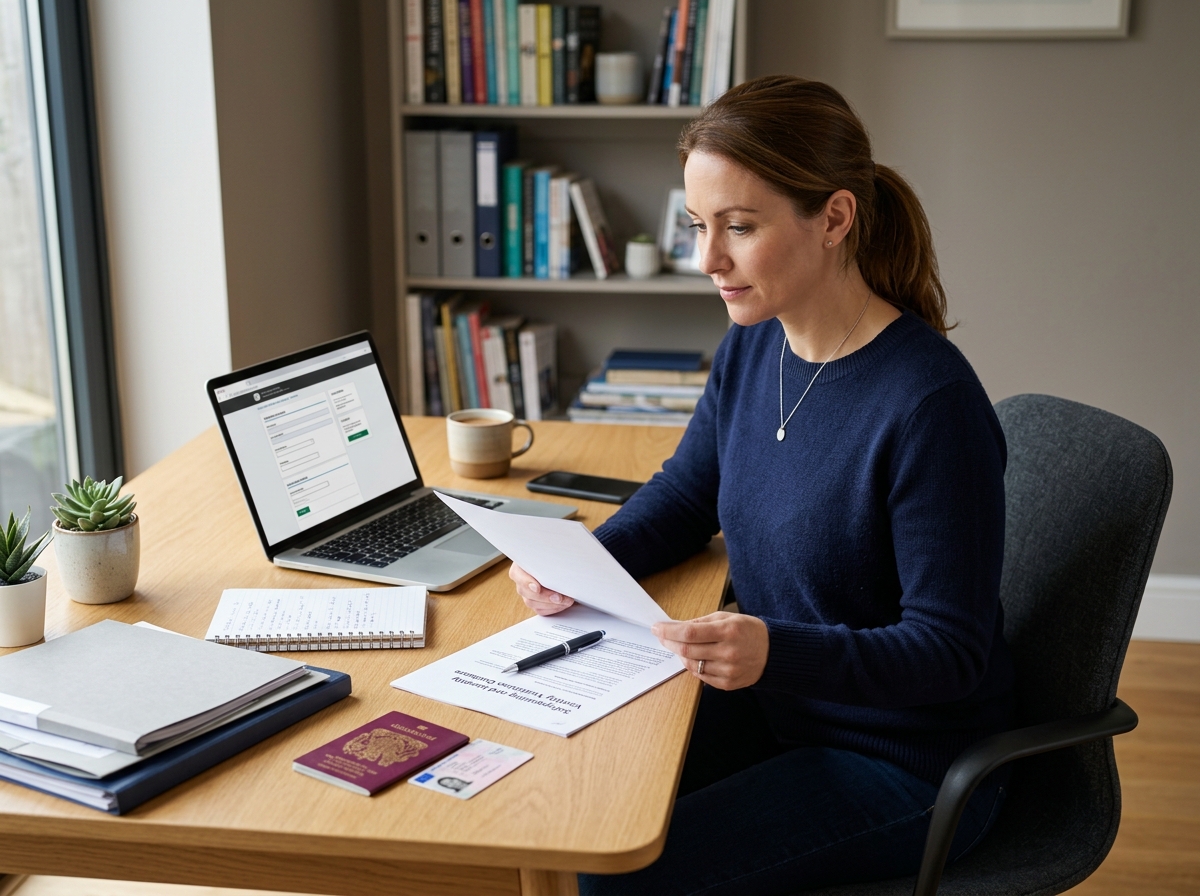
If you’re wondering how to become a freelancer in the UK, the short version is this: you register as self-employed with HMRC, choose a business structure (usually sole trader to start), work out your rates, sort your insurance, and start finding clients. Most people can register and take on their first paid piece of work within a week, though getting the tax and legal basics right from day one saves a lot of stress later.
This guide walks through each step in order, including a change that catches out a lot of new freelancers: Making Tax Digital for Income Tax, which starts affecting some self-employed people from April 2026. Whether you’re leaving a full-time job or freelancing alongside it, here’s what actually needs doing.
What counts as a freelancer in the UK?
There’s no separate legal category called “freelancer” in UK law. For tax purposes, HMRC treats you as self-employed, and most freelancers operate as a sole trader, meaning you and your business are legally the same entity. You keep all your profits after tax, but you’re also personally responsible for any business debts.
Some freelancers eventually set up a limited company instead, which separates your personal and business finances and can be more tax-efficient at higher income levels. For most people starting out, though, sole trader status is simpler, faster to set up, and easier to unwind if freelancing doesn’t work out.
Step 1: Register as self-employed with HMRC
You must register for Self Assessment if you earn more than £1,000 from self-employment in a tax year (6 April to 5 April), a rule known as the trading allowance. Below that threshold, you don’t need to tell HMRC anything, though registering anyway can help if you want to claim expenses or prove self-employment for a mortgage application.
Registration is free and done online at gov.uk/register-for-self-assessment. You’ll need your National Insurance number, contact details, and a description of your business. Once registered, HMRC issues a 10-digit Unique Taxpayer Reference (UTR), usually arriving by post within 10 working days.
Registration deadline
The deadline is 5 October following the end of the tax year in which you started trading. So if you began freelancing any time between 6 April 2025 and 5 April 2026, you must register by 5 October 2026. Miss it, and HMRC can issue a penalty, typically starting around £100, with the amount potentially rising the longer the delay continues.
There’s no downside to registering early. Doing it as soon as you take on your first paid piece of work avoids the risk of forgetting altogether.
Step 2: Decide on sole trader vs limited company
Most people start as a sole trader because it’s quick to set up and the admin is lighter. You’ll pay Income Tax and National Insurance through an annual Self Assessment return, and you can trade under your own name or a chosen business name.
A limited company is a separate legal entity, which limits your personal liability and can reduce your tax bill once profits climb into higher brackets, since company profits are taxed at Corporation Tax rates rather than personal Income Tax rates. The trade-off is more paperwork: you’ll need to file annual accounts with Companies House, run payroll if you pay yourself a salary, and potentially deal with IR35 rules if you work through agencies or on longer contracts. Many freelancers switch to a limited company once profits comfortably exceed £30,000 to £40,000 a year, though the right point varies by circumstances, so it’s worth getting advice from an accountant before switching.
Step 3: Understand what tax and National Insurance you’ll pay
As a sole trader, you pay Income Tax on your profits above the personal allowance of £12,570, plus two types of National Insurance. Class 4 NICs are charged at 6% on profits between £12,570 and £50,270, and 2% above that, paid through your Self Assessment return for the 2026/27 tax year. Class 2 NICs are a flat voluntary contribution of £3.45 a week, which you can pay to protect your entitlement to the State Pension and certain benefits even though it’s no longer automatically required for most self-employed people from April 2024.
One thing that catches many new freelancers out in their second year is payments on account. If your first year’s tax bill comes to more than £1,000, HMRC requires you to pre-pay 50% of the following year’s estimated bill by 31 January and the remaining 50% by 31 July. That means your second January payment can end up being 150% of what you might expect, so it’s worth setting money aside from your very first invoice rather than being caught out.
Step 4: Know about Making Tax Digital for Income Tax
This is the biggest change hitting UK freelancers right now, and it’s genuinely worth understanding early. Making Tax Digital (MTD) for Income Tax starts from 6 April 2026 and replaces the old annual Self Assessment return with quarterly digital updates plus a final year-end declaration, submitted through MTD-compatible software.
It’s being phased in based on your gross income from self-employment and property combined, not your profit:
- From 6 April 2026: mandatory if your qualifying income was over £50,000 on your 2024/25 tax return
- From 6 April 2027: threshold drops to over £30,000
- From 6 April 2028: threshold drops to over £20,000, based on figures confirmed by GOV.UK
If your income is below the relevant threshold, you’re not required to join yet, but you can sign up voluntarily. HMRC has confirmed there won’t be penalty points for late quarterly updates during the first year of the rollout, though late payment penalties and interest still apply, so it’s not a complete grace period.
Step 5: Open a business bank account
You’re not legally required to have a separate business bank account as a sole trader, but nearly every accountant recommends it. Mixing personal and business transactions makes your bookkeeping far harder come tax return season, and some banks won’t let you accept business payments through a personal account at all under their terms.
A dedicated account also makes it easier to track exactly what you’ve earned and spent, which matters even more once MTD requires quarterly digital reporting.
Step 6: Sort out insurance
Business insurance isn’t a legal requirement for most freelancers, but many clients, agencies, and platforms will ask for proof of cover before they’ll work with you. Two types come up most often:
- Professional indemnity insurance covers you if a client claims your work, advice, or a mistake caused them financial loss. Cover typically runs from £100,000 up to £5 million depending on your occupation, according to AXA UK, with premiums for many freelancers starting from roughly £5 to £15 a month.
- Public liability insurance covers injury to a person or damage to property caused by your work, and matters most if you visit client premises or work face to face with the public. Prices commonly start from around £5 to £6 a month for lower-risk, desk-based freelancers, based on current provider pricing.
If you ever take on staff, even casually, employers’ liability insurance becomes a legal requirement, and working without it can mean fines of £2,500 for every day you’re uninsured.
Step 7: Work out your rates
Pricing yourself correctly from the start avoids the common trap of undercharging and then struggling to raise rates later. A simple starting formula: take your desired annual take-home income, add your estimated tax, National Insurance, pension contributions, and business expenses, then divide by your effective billable days. Most UK freelancers work around 190 billable days a year once holidays, sick days, admin time, and gaps between projects are accounted for.
It’s also worth remembering that freelancers earning £40,000 to £70,000 in profit typically pay an effective tax and NI rate of around 25% to 32%, so build that into your day rate rather than working it out only at tax return time.
Step 8: Invoice properly and know your payment rights
Send your invoice as soon as work is delivered, and state your payment terms clearly, including how you expect to be paid, the due date, and your bank details. Most freelancers set 14 to 30 day payment terms, and if you don’t specify a date, UK law defaults to a maximum of 30 days after the client receives the invoice or the work is delivered, whichever is later.
If a client pays late, you have a statutory right under the Late Payment of Commercial Debts Act to charge interest at 8% above the Bank of England base rate, plus a fixed compensation fee. You don’t need a solicitor to claim it: you simply issue a supplementary invoice referencing the original one. Taking a deposit of 25% to 50% upfront on larger projects, especially with new clients, is also common practice and protects your cash flow.
Step 9: Find your first clients
Most freelancers combine a few approaches rather than relying on one channel. LinkedIn, referrals from your existing network, and niche job boards for your specific skill tend to convert better than broad freelance marketplaces, though platforms like PeoplePerHour and Upwork can help build an initial portfolio and reviews if you’re starting from zero. A simple portfolio website, even just a few case studies and a way to contact you, makes a real difference to how seriously potential clients take you.
Don’t underestimate direct outreach either. A short, specific email to a business that could genuinely use your service often outperforms applying to open job posts, since you’re not competing with dozens of other freelancers for the same brief.
FAQs
How do I become a freelancer in the UK?
Register as self-employed with HMRC once your self-employment income exceeds £1,000 in a tax year, decide whether to operate as a sole trader or limited company, sort your tax, insurance, and invoicing, then start finding clients. Registration alone takes about 20 minutes online.
Do I need to register as self-employed straight away?
No, but you must register by 5 October following the end of the tax year in which you started trading. If your total self-employment income stays below £1,000 in a tax year, you don’t need to register at all under the trading allowance.
How much tax will I pay as a freelancer?
You’ll pay Income Tax above the £12,570 personal allowance, plus Class 4 National Insurance at 6% on profits between £12,570 and £50,270 (2% above that), and optionally Class 2 NI at £3.45 a week. Most freelancers earning £40,000 to £70,000 in profit pay an effective combined rate of around 25% to 32%.
Can I freelance while employed full time?
Yes, you can be employed and self-employed at the same time, and you don’t need to tell your employer unless your contract specifically requires it. You’ll still need to register with HMRC and declare your freelance income through Self Assessment alongside your PAYE income.
Do freelancers need insurance in the UK?
It’s not a legal requirement for most freelancers, but many clients and agencies won’t work with you without proof of professional indemnity or public liability cover. Costs typically start from around £5 to £15 a month depending on your profession and the level of cover.
What is Making Tax Digital and does it affect me?
Making Tax Digital for Income Tax replaces the annual Self Assessment return with quarterly digital updates for sole traders and landlords above certain income thresholds, starting from £50,000 in April 2026, dropping to £30,000 in 2027 and £20,000 in 2028. If your income is below the relevant threshold, it doesn’t apply to you yet.
How do I set my freelance rate?
Start with your desired annual take-home pay, add tax, National Insurance, pension contributions, and business costs, then divide by your realistic number of billable days, typically around 190 a year for most UK freelancers. Review your rate every six months and apply increases to new clients first.
What happens if a client doesn’t pay me?
Send a polite reminder first, then a formal written notice if payment is still overdue after seven days. You have a statutory right to charge interest at 8% above the Bank of England base rate plus a fixed compensation fee under the Late Payment of Commercial Debts Act, and you can claim this without needing a solicitor.